AI Development · Australia
AI Development Company in Australia
AI features built for Australian companies remotely, with privacy constraints on training data and breach-reporting readiness designed in from the first pipeline.
NDA on request · Free, no-obligation estimate · Reply within one business day

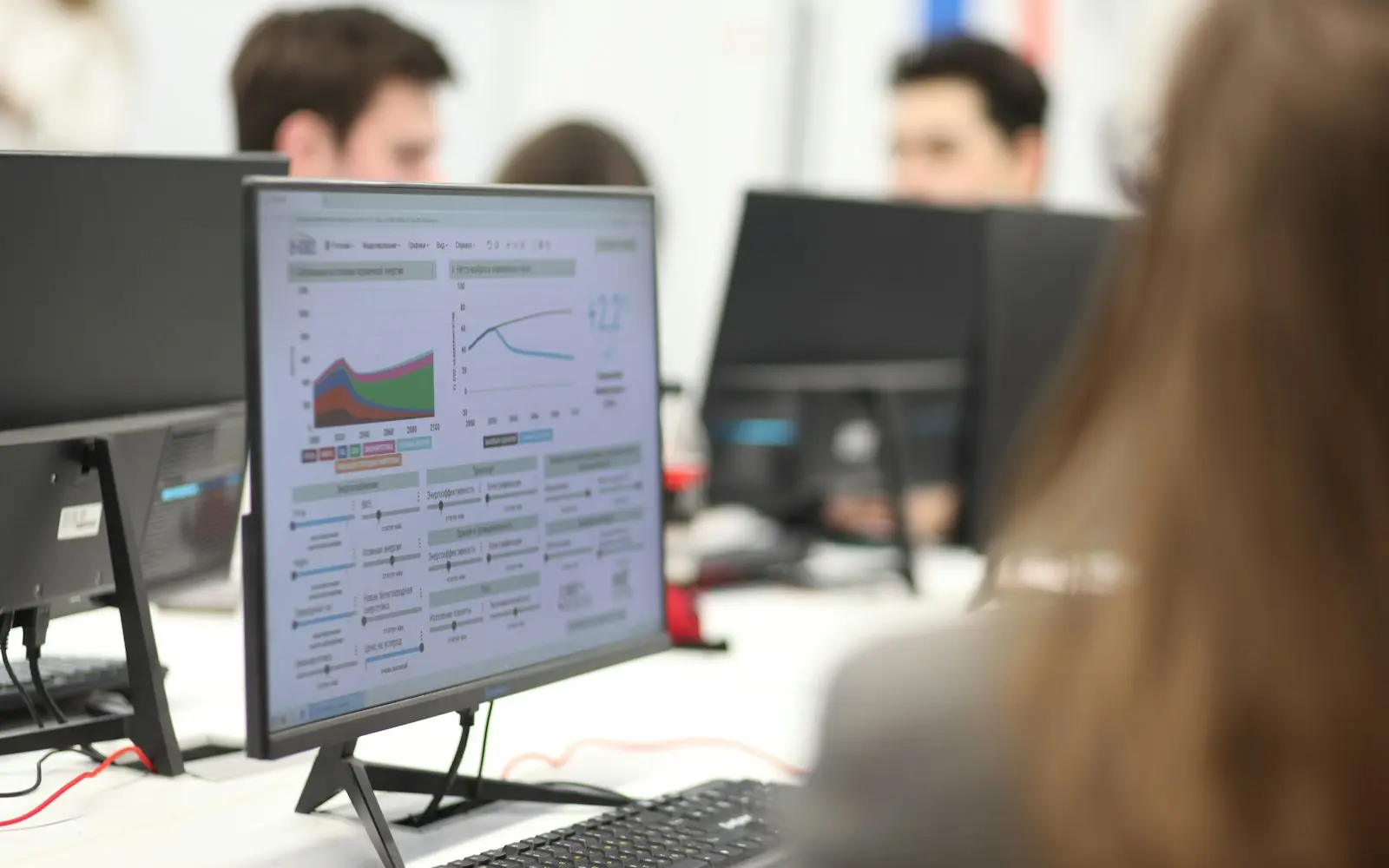
Feeding customer data into an AI feature raises the same question under Australian law that it does anywhere, but the Privacy Act 1988 and the Australian Privacy Principles are specific about what counts as an acceptable secondary use: data collected for one purpose generally can't be repurposed to train a model without a basis that covers it. If the AI system holds or processes that data and something goes wrong, the Notifiable Data Breaches scheme sets a timeline for reporting it.
We scope those constraints during discovery, before deciding what data feeds a model and how outputs get logged, then build the system remotely with sprint reviews scheduled across Australian time zones.
Market
What buyers in Australia need from this work
Secondary use is the question that decides what data a model can touch
The Australian Privacy Principles limit using personal information for a purpose beyond what it was originally collected for. Training or fine-tuning a model on existing customer data is a secondary use that needs its own basis. We check that during discovery and design the data pipeline to only draw on data where that basis exists.
Breach-reporting timelines apply to AI systems the same as any other
If an AI system holds or processes personal information and something goes wrong, the Notifiable Data Breaches scheme's reporting obligations apply. We build logging around what a model accessed and produced so an incident can be investigated and reported within the required timeline.
CDR-based data access opens specific AI use cases in finance
For AI features that analyze a customer's banking or transaction data, using the Consumer Data Right's accredited data-sharing model is the compliant path, rather than pulling data through screen-scraping or an informal integration. We scope that access pattern for any AI feature working with financial data.
Accessible AI interfaces still need to meet WCAG
An AI-assisted interface, whether a chat widget or a recommendation surface, needs the same WCAG-aligned accessibility as the rest of a product. We build those interaction patterns to be usable with a screen reader and keyboard navigation rather than treating them as an accessibility exception.
Training and inference commonly need to stay inside an Australian cloud region
Fintech, healthcare and insurance clients frequently want model training and inference kept onshore rather than routed through whichever region a model vendor defaults to. We scope AWS Sydney or Melbourne, Azure Australia East, or Google Cloud's Sydney region for the pipeline and the inference endpoint when that residency expectation applies to the project.
Health-sector AI runs into the My Health Records Act alongside the Privacy Act
An AI feature that reads from or writes to a My Health Record carries obligations beyond the general Privacy Act framework, including stricter limits on secondary use and disclosure. We scope which of these apply during discovery for any health-adjacent AI feature rather than treating My Health Record data as ordinary patient data.
Compliance we plan for
- Privacy Act 1988 and Australian Privacy Principles constraints on secondary use of data for training
- Notifiable Data Breaches scheme reporting obligations for AI systems handling personal data
- Consumer Data Right accreditation for AI features accessing banking or transaction data
- WCAG-aligned accessibility for AI-assisted interfaces
How the engagement runs
We confirm during discovery what data an AI feature will use, whether the original collection basis covers that use, and whether CDR applies if the feature touches financial data. That shapes the data pipeline and logging before any model integration work starts.
Development runs in sprints with a shared staging environment, and reviews are scheduled inside a window that holds across AEST, AEDT and AWST. Invoices are payable in AUD by bank transfer or BPAY, and the codebase and any fine-tuned model artifacts stay under your control.
Industries
Industries we often work with here
- Fintech & BankingLedger-accurate financial software with KYC/AML checks and PCI DSS-aligned payment flows built in from the schema up.

- HealthcareClinical and patient-facing software built to HIPAA technical safeguards, wired into the EHR your care teams already use.

- Professional ServicesEngagement management, time tracking, and client portals built around the way consulting and advisory firms actually bill for their time.

- InsurancePolicy administration, claims and underwriting software that speaks ACORD to carriers, MGAs and agents on the first integration attempt.

FAQ
Frequently asked questions
Can we use existing customer data to train an AI feature under the Privacy Act?
It depends on whether the original purpose for collecting that data covers training or feeding a model, since the Australian Privacy Principles treat that as a secondary use requiring its own basis. We check this during discovery and design the pipeline to only use data where that basis exists.
Does the Notifiable Data Breaches scheme apply to an AI system the same way it applies to a normal database?
Yes. If the AI system holds or processes personal information, an eligible breach involving that system needs to be reported within the scheme's timelines like any other system. We build logging around what the model accessed and produced so an incident can be investigated quickly.
Can an AI feature analyze a customer's bank transaction data in Australia?
Yes, if it accesses that data through the Consumer Data Right's accredited data-sharing model with the customer's consent, rather than through direct scraping or an informal integration. We scope the accreditation and consent flow during discovery for any AI feature working with financial data.
How do you make an AI chat interface accessible under WCAG?
We build the interface with proper focus management, screen-reader labeling for dynamic content, and keyboard-operable controls, applying the same WCAG success criteria we'd use for any other interactive component rather than treating AI interfaces as a special case.
Do you build AI features for Australian fintech companies specifically?
We've scoped AI features for fintech-adjacent products that needed to work within CDR's data-access model and the Privacy Act's constraints on customer data. Specific requirements vary by use case, so we confirm them during discovery.
Can you keep AI model training and inference inside an Australian cloud region?
Yes. We scope AWS Sydney or Melbourne, Azure Australia East or Google Cloud's Sydney region for the training pipeline and inference endpoint where a client needs data residency kept onshore, rather than defaulting to whichever region is most convenient for the model provider.
Does an AI feature that reads My Health Record data need extra safeguards beyond the Privacy Act?
Yes. The My Health Records Act adds its own controls on secondary use and disclosure on top of the Privacy Act and the Australian Privacy Principles. We scope which of these apply during discovery for any AI feature that touches a My Health Record rather than treating it as ordinary patient data.
Explore
Related pages
- ServiceAI Development
- MarketSoftware development in Australia
- AustraliaCustom Software Development Company in Australia
- AustraliaE-commerce Development Company in Australia
- AustraliaMobile App Development Company in Australia
- AI DevelopmentAI Development Company in Canada

- AI DevelopmentAI Development Company in Germany

- AI DevelopmentAI Development for Saudi Businesses

Get an estimate for ai development in Australia
Share a few details about your project. A senior engineer reviews every request and replies with next steps, questions, and a rough budget range.