




North America

Software Development Company USA

We work as the engineering team for companies across the United States, running inside US business hours without a local office to maintain.

NDA on request · Free, no-obligation estimate · Reply within one business day

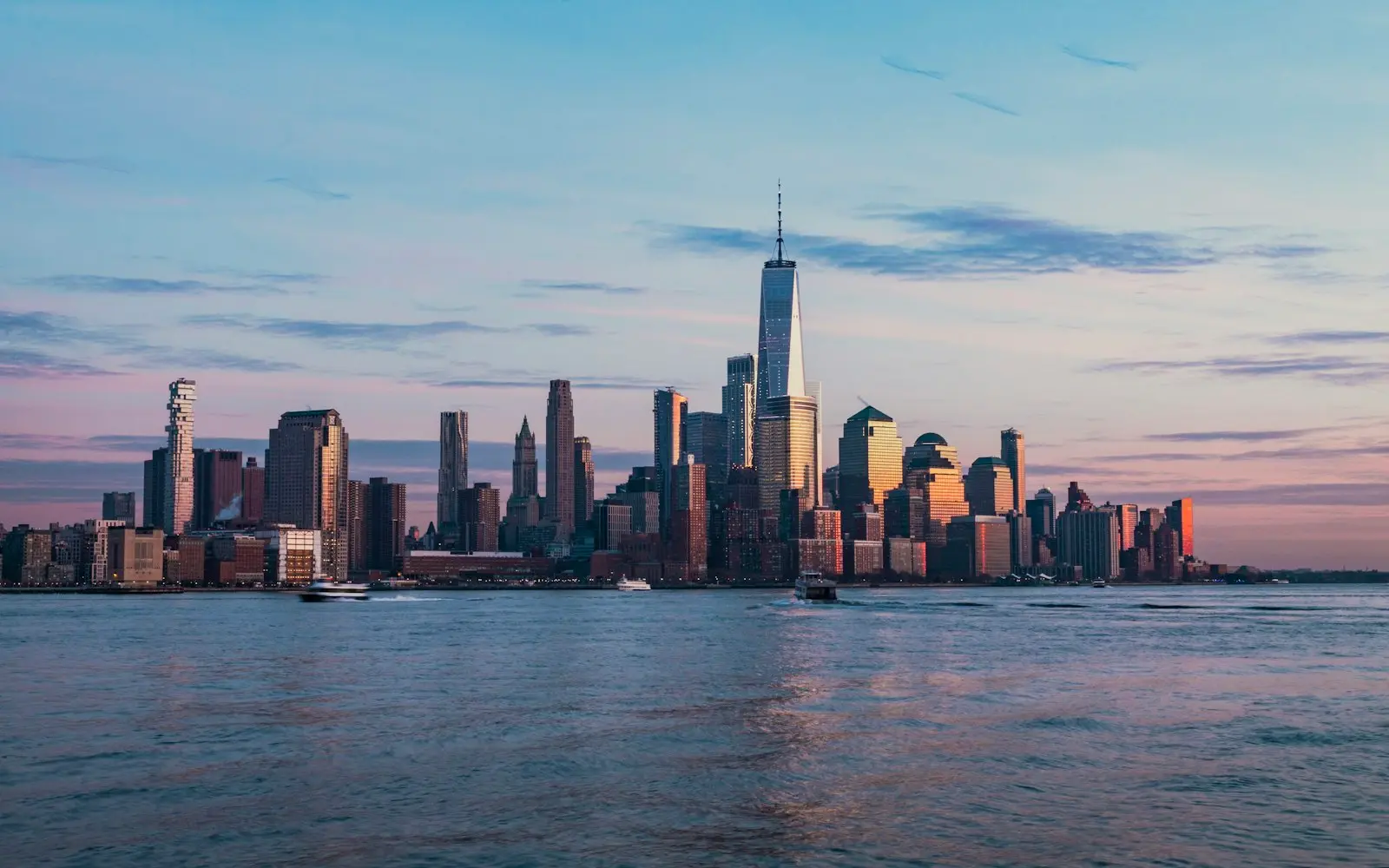
Lower Manhattan skyline across the Hudson River at blue hour
NDA before discovery
You own the code and IP on payment
Code in your repository from day one
A working demo every two weeks
Senior engineers do the work
How we work

We are a remote software development company working with businesses across the USA, from early-stage startups replacing a spreadsheet with a real product to mid-market firms retiring a legacy vendor tool that no longer fits how the business runs. There is no US office to visit and no regional account manager; a named engineering lead runs the engagement, keeps hours inside the US business day, and reports through whatever tracker the client already uses, whether that is Jira, Linear or a shared Notion board.

The work spans a wide range of US buyers: a regional health system replatforming a patient intake form, a community bank adding digital account opening, a logistics broker replacing a spreadsheet-driven dispatch process, a direct-to-consumer retailer moving off an unmaintained storefront. Each of those buyers evaluates a remote vendor differently, but the pattern holds across most of them: a scoped statement of work, a security questionnaire before anything sensitive changes hands, and a clear answer on who owns the code once the invoice is paid.

The sections below cover how US companies typically structure the engagement, which regulations shape what we build, and where the working day overlaps once a project starts.

How US Companies Evaluate a Remote Vendor

Enterprise buyers usually route a new vendor through procurement before any contract is signed: a security questionnaire, a request for references, and often a request for a SOC 2 report even on a first small engagement. We are not the ones holding that certification, since it belongs to the client's own audited systems, but we build with the access logging, encrypted secrets storage and change-management records that a SOC 2 Type II review expects, so the client's own audit has something solid to point to.

Startups and mid-market companies tend to move faster: a discovery call, a fixed-scope statement of work for the first phase, and a signed contract inside two or three weeks. Ongoing work after that usually shifts to a time-and-materials arrangement billed against a sprint cadence rather than a second round of fixed-scope negotiation.

  • Master Service Agreement plus a Statement of Work per project or phase
  • Vendor security questionnaire before any customer data is shared
  • Reference calls or a technical interview with the assigned engineering lead

Time Zones and Daily Overlap

US teams span four working time zones: Eastern, Central, Mountain and Pacific, a spread of three hours coast to coast. A standup set for 9am Eastern lands at 6am Pacific, so most engagements settle on a late-morning Eastern slot, around 10 or 11am ET, which still gives Pacific-based teams a reasonable start to their day. Everything outside that overlap runs asynchronously through written updates, recorded demos and a shared backlog, so a Pacific-based product owner isn't waiting until the next morning to see what shipped.

Sprint reviews and planning sessions are the two meetings worth protecting on the calendar; day-to-day questions move faster over Slack or a comment thread than a scheduled call.

Payments, Contracts and IP

Invoices run in USD against milestones defined in the SOW, typically monthly once a project moves past the first phase. Larger US finance teams generally prefer ACH or wire over a card payment for recurring invoices. Because we invoice as a foreign entity rather than a US-based contractor, the client's accounts payable team usually asks for a completed W-8BEN-E in place of the W-9 a domestic vendor would provide; that form establishes foreign status for tax reporting purposes and is normally collected once, before the first payment.

IP assignment is written into the SOW so that code, designs and documentation transfer to the client on payment, and the client's repository is the system of record from the first commit rather than a copy handed over at the end.

Compliance

Regulations we design for in the USA

  • CCPA, CPRA and the state privacy patchwork

    California's CCPA and CPRA give residents the right to opt out of the sale or sharing of their data and require specific disclosures in a privacy policy. Virginia's VCDPA, Colorado's CPA and a growing list of other state laws follow a similar shape but differ in the details, so we build consent handling and data-subject request workflows that aren't hard-wired to a single state's rules.

  • HIPAA and HITECH for health data

    Patient portals, intake forms and care-coordination tools built for a US healthcare client are designed around a business associate agreement, encryption in transit and at rest, audit logging on every access to protected health information, and access limited to what a given role actually needs.

  • SOC 2 readiness for enterprise procurement

    Enterprise buyers frequently ask a vendor to demonstrate the control set a SOC 2 Type II report would examine, even when no formal audit is scheduled yet: access reviews, encrypted secrets, logged deployments and a documented incident response path.

  • PCI DSS for payment data

    Where a system touches card payments, we keep cardholder data out of application scope entirely by tokenizing through a processor such as Stripe or Braintree, which narrows the compliance boundary considerably compared with storing card numbers directly.

  • ADA-related web accessibility

    US retail and hospitality sites in particular have seen a steady flow of ADA demand letters over inaccessible websites. We build to WCAG 2.2 AA, keyboard navigation, sufficient contrast, screen-reader labeling, so a client's legal team has a documented standard to reference if a letter arrives.

  • COPPA for children's apps and sites

    Anything that targets children under 13, or knowingly collects data from them, is built around verifiable parental consent, no behavioral advertising to a known child user, and data collection limited to what the product actually needs.

Working together

Contracts, invoicing and working hours

  • MSA plus a per-project SOW

    The Master Service Agreement sets the standing terms once; each new project or phase adds a short Statement of Work with scope, milestones and price.

  • IP assignment on payment

    Code, design files and documentation assign to the client as each milestone is paid, and the client's own repository holds the work from the first commit.

  • W-8BEN-E instead of a W-9

    As a foreign entity, we provide a completed W-8BEN-E rather than the W-9 a US-based contractor would send, typically collected once by the client's accounts payable team.

  • USD invoicing against milestones

    Invoices are issued in USD, tied to milestones in the SOW, and paid by ACH or wire in most engagements past the first phase.

  • Overlap across ET, CT, MT and PT

    A standup slot in late-morning Eastern time keeps standups reachable for Pacific-based teams while leaving the rest of the day for async updates.

FAQ

Frequently asked questions

Do you sign a Master Service Agreement for US clients?

Yes. The MSA sets standing terms once (confidentiality, IP assignment, liability, termination), and each new project adds a short Statement of Work with its own scope, milestones and price rather than renegotiating the whole contract.

Can you provide a SOC 2 report before we sign a contract?

We don't hold a SOC 2 report ourselves; that certification applies to a company's own audited environment. What we do is build with the access logging, encrypted secrets and change-management records a SOC 2 Type II review expects, so your own audit has a documented control set to examine on day one.

Will you send us a W-9 or a W-8BEN-E?

A W-8BEN-E. We invoice as a foreign entity rather than a US-based contractor, so your accounts payable team collects a W-8BEN-E in place of the W-9 a domestic vendor would provide, usually once before the first payment goes out.

What hours do you overlap with our team if we're on the West Coast?

Standups typically land in late-morning Eastern time, which still gives a Pacific-based team a workable start to their day. Everything outside that window runs through written updates and recorded demos so a West Coast team isn't waiting overnight for an answer.

How do you handle CCPA opt-out requests in a system you build for us?

We build the consent and preference layer so a resident's opt-out of sale or sharing is recorded, honored across the systems that read it, and auditable later, rather than hard-coding it to California's rules alone, since Virginia, Colorado and other states are adding their own versions.

Do you build to WCAG 2.2 AA to reduce ADA lawsuit exposure?

Yes, on every US-facing project by default: keyboard navigation, color contrast, screen-reader labeling and focus order are built in rather than retrofitted, which matters given how many ADA web accessibility demand letters target US retail and hospitality sites.

Who owns the code and IP once the project ships?

You do. The SOW includes an IP assignment clause, the repository lives in your GitHub or GitLab organization from the first commit, and there's no separate handover step where code moves from our systems to yours at the end.

Start a project with a team that plans around your working hours

Share a few details about your project. A senior engineer reviews every request and replies with next steps, questions, and a rough budget range.

Get a free project estimate