Industry

Legal Software Development

Matter management, document automation and conflict checking with privilege, retention rules and trust accounting designed in from the start.

NDA on request · Free, no-obligation estimate · Reply within one business day

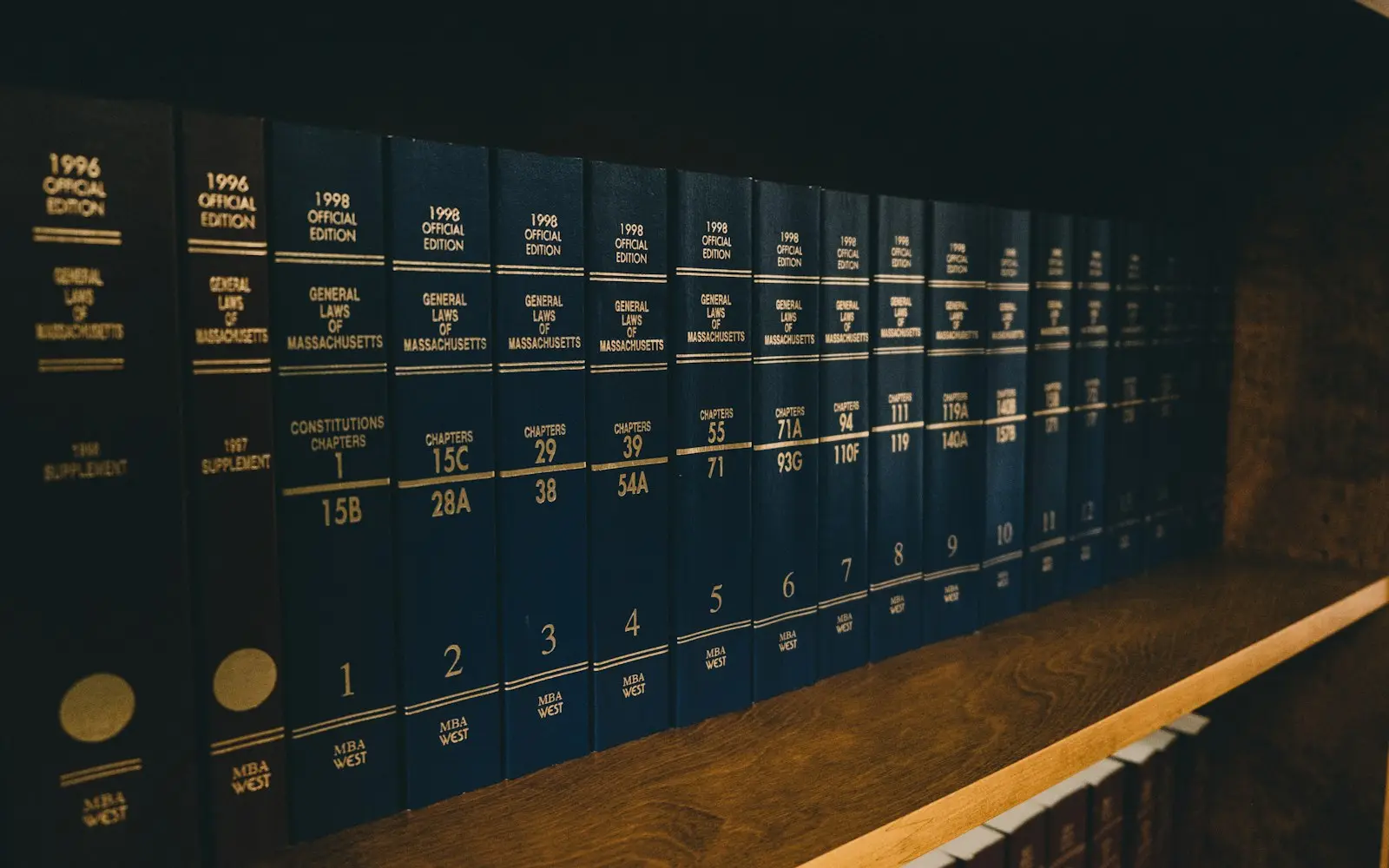
Row of blue bound law reports on a wooden shelf
NDA before discovery
You own the code and IP on payment
Code in your repository from day one
A working demo every two weeks
Senior engineers do the work
How we work

Law firms and legal departments run on a handful of processes that generic business software does not model correctly: a conflict check has to run against related parties and prior representations before a matter can even open, document assembly has to preserve privilege markings through every revision, and trust accounting has to separate client funds with a level of rigor an ordinary invoicing system was never built for.

We build matter management systems, document assembly tools with clause libraries, and client portals that integrate with Clio, iManage or NetDocuments rather than existing as a disconnected extra system. Where AI assists with contract review or summarization, we scope it to stay inside the line between tool-assisted drafting and the unauthorized practice of law.

Trust accounting and IOLTA-compliant billing get built to the segregation and reporting rules your state bar actually enforces, and retention schedules are built as configuration since they vary by jurisdiction and matter type, not as a single hardcoded rule.

The problem

Where legal software gets hard

  • Conflict checks have to catch related-party conflicts

    A real conflict check has to search across related entities, prior representations and adverse parties, not just an exact name match, or a genuine conflict slips through undetected until it becomes a malpractice exposure.

  • Document assembly has to preserve privilege markings

    Templates and clause libraries speed up drafting, but every version generated has to carry the correct privilege and confidentiality markings through redlines and revisions, not just on the final signed copy.

  • Trust accounting demands strict segregation

    IOLTA and equivalent trust accounting rules require client funds to be tracked separately from firm operating funds with an audit trail a bar examiner can follow, which most general accounting software does not model correctly out of the box.

  • Retention schedules vary by jurisdiction and matter type

    How long a file has to be kept, and when it can be destroyed, depends on jurisdiction, practice area and sometimes the specific matter, so a single retention rule hardcoded into a system will eventually be wrong for some subset of files.

  • AI tools have to stay on the right side of unauthorized practice of law

    A tool that summarizes or drafts is useful; a tool that appears to give legal advice to a non-lawyer client crosses into unauthorized practice of law territory in most jurisdictions, and that line has to be designed in deliberately.

  • E-discovery volumes require defensible process, not just search

    Litigation holds and document review at scale need a documented, defensible process, since a court can challenge not just what was found but how the search was conducted.

What we build

Legal systems we build

  • Matter management systems

    Matter opening, staffing, deadlines and status tracking built to integrate with or extend Clio or a similar practice management platform, rather than duplicate it.

  • Conflict check automation

    Automated search across related entities, prior matters and adverse parties at intake, flagging potential conflicts for review before a matter opens rather than after.

  • Document assembly and automation

    Clause libraries and template-driven drafting that carry privilege and confidentiality markings through every generated version and redline.

  • Trust accounting and IOLTA-compliant billing

    Client fund segregation, three-way reconciliation and billing built to the specific trust accounting rules your bar association enforces.

  • Client portals

    Secure document sharing and case status access for clients, integrated with your document management system so nothing has to be manually copied into a separate portal.

  • Legal AI tools for review and summarization

    Contract review and document summarization tools scoped to assist an attorney's judgment, with the unauthorized practice of law boundary built into how results are presented to non-lawyer users.

  • E-discovery and litigation hold workflows

    Litigation hold notices, custodian tracking and defensible search documented at each step, so the process itself can withstand a challenge, not only the result.

Regulations and standards we design for

  • ABA Model Rules of Professional Conduct on confidentiality and conflicts of interest, and their state bar equivalents.
  • Attorney-client privilege preservation requirements across document versions and communications.
  • IOLTA and state-specific trust accounting rules requiring segregation of client funds.
  • State bar technology competence requirements around data security and confidentiality of client information.
  • Records retention and destruction rules, which vary by jurisdiction and practice area.
  • GDPR and UK GDPR for firms handling matters involving EU or UK-based clients.

Platforms we integrate with

  • Clio for practice and matter management
  • iManage and NetDocuments for document management
  • DocuSign for e-signature
  • LexisNexis and Westlaw APIs for legal research
  • LawPay and Stripe for trust-compliant payment processing

Conflict checks that catch related-party conflicts

A name-match conflict check misses the conflicts that actually create liability: a parent company, a former client under a different entity name, or a witness represented in an unrelated matter years earlier. We build conflict checking to search across related entities and historical matter data, surfacing possible matches for an attorney's review at intake rather than relying on staff to remember every prior representation.

Document automation that keeps privilege markings intact

We build clause libraries and template assembly so privilege and confidentiality markings propagate automatically through every generated draft, redline and exported version, since a marking that only appears on the final signed copy does nothing to protect the drafts that circulated before it.

Where AI assists and where unauthorized practice of law draws the line

We design AI-assisted contract review and summarization to present output as a drafting aid reviewed by a licensed attorney, not as advice delivered directly to a client. That distinction shapes interface decisions as much as backend logic, since how a result is framed to a non-lawyer user is part of what keeps a tool on the right side of unauthorized practice of law rules.

Technology

Technologies we typically use

FAQ

Legal software FAQs

Can you integrate a custom matter management tool with Clio?

Yes. We build against Clio's API to keep matter, client and billing data in sync, so a custom tool extends what Clio already handles rather than duplicating matter records in a second system.

How does an automated conflict check search for related-party conflicts?

We build the search to check related entities, prior matter history and known adverse parties, not just an exact name match, and we surface possible matches for attorney review rather than auto-clearing or auto-blocking a matter.

Can trust accounting software handle multi-state IOLTA rules?

Yes, though the specific segregation and reporting rules are built per jurisdiction since IOLTA requirements differ by state bar. We scope which jurisdictions' rules the system needs to support before implementation.

Does an AI contract review tool count as giving legal advice?

Not as we build it. The tool surfaces flagged clauses and summaries for a licensed attorney to review and approve, rather than presenting conclusions directly to a client, which keeps it on the assistive side of unauthorized practice of law rules.

How long does a document automation system with privilege tracking take to build?

A clause library and template assembly system with privilege marking propagation typically takes eight to twelve weeks, depending on how many document types and practice areas the templates need to cover.

Talk to us about your legal project

Share a few details about your project. A senior engineer reviews every request and replies with next steps, questions, and a rough budget range.

Get a free project estimate