AI Development · Legal
Legal AI Software Development
AI systems for contract review and legal research, built around privilege controls and citation verification so no hallucinated case law reaches a filing.
NDA on request · Free, no-obligation estimate · Reply within one business day
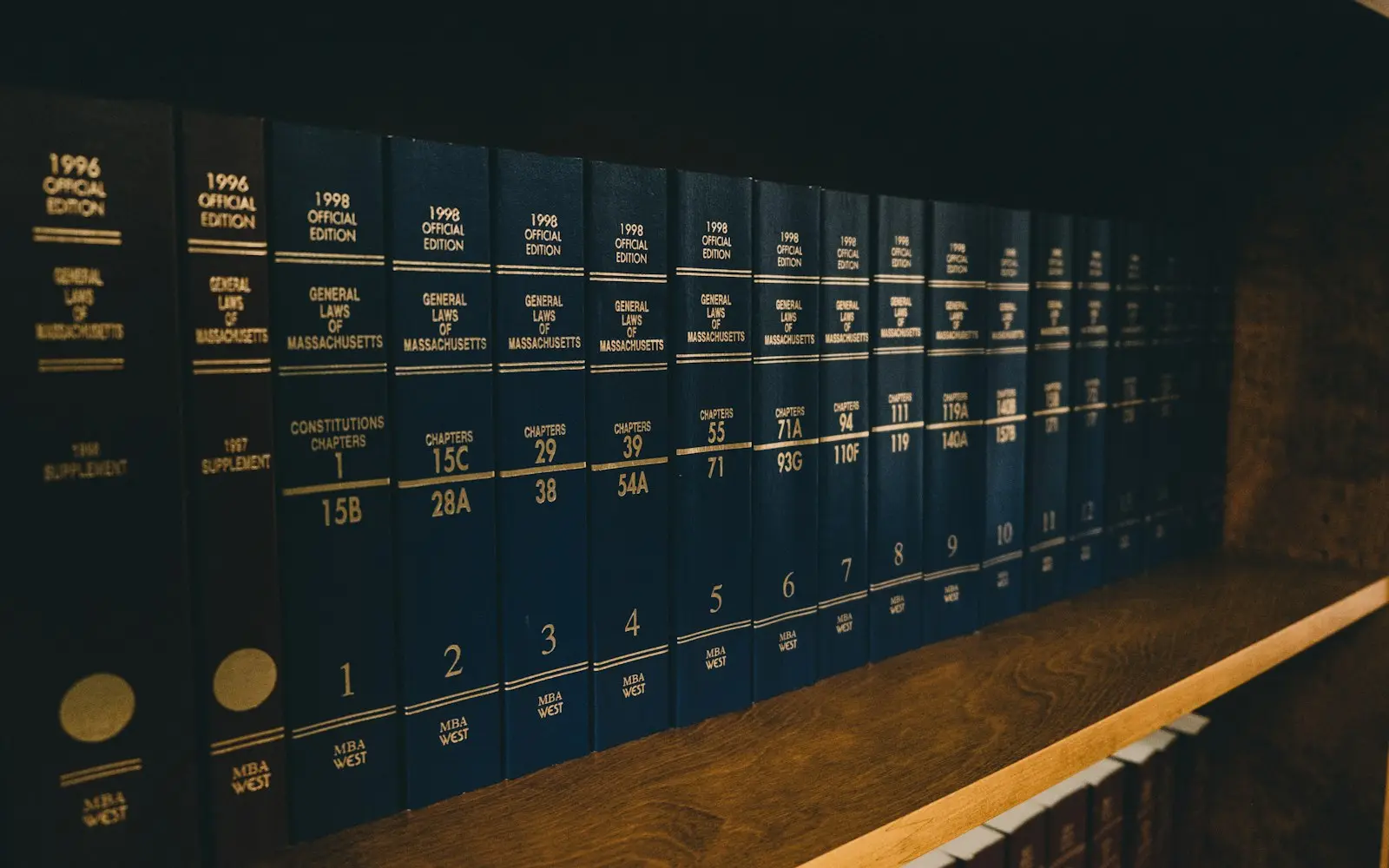

A law firm evaluating an AI tool has already seen the headlines about lawyers sanctioned for filing briefs with fabricated case citations, so the first question is rarely about capability. It is about whether the system can be trusted not to hallucinate a case that does not exist, and whether client-confidential information stays inside a boundary the firm's malpractice insurer would accept.
We build contract review tools that extract and flag specific clauses, indemnification, termination, limitation of liability, against a firm's playbook, and legal research assistants that verify every citation against an actual source (Westlaw, Lexis, or a court's own database) before it is ever surfaced to an attorney. Confidentiality controls are structural: client matter data does not train a shared model, and access is scoped to the matter team the same way it would be in the firm's document management system.
The pattern extends to intake triage and document search across a matter's file, where the goal is narrowing an attorney's research time, not replacing their judgment. Every output is built to show its source, whether that is the specific contract clause or the specific case citation, so an attorney can verify it in seconds rather than trusting it blind.
The problem
What makes legal projects different
Hallucinated case citations
A language model asked to cite supporting case law will sometimes generate a plausible-sounding citation that does not exist, which is a career-ending risk for an attorney who files it, so every citation needs verification against a real legal database before it reaches a document.
Privilege and confidentiality handling
Client matter data is protected by attorney-client privilege and work product doctrine, which means it cannot flow into a shared model that trains on customer data or into infrastructure without clear access controls scoped to the matter team.
Contract review accuracy against a firm's playbook
Clause extraction needs to reflect the specific risk tolerance and standard positions of the firm or client, not a generic notion of a risky clause, or attorneys spend more time correcting the tool's flags than they save.
Matter-scoped access control
A tool searching across a firm's document repository needs to respect the same matter-level access restrictions the document management system already enforces, or it becomes a path to an inadvertent privilege breach.
Bar association guidance on AI use
Several state bar associations have issued guidance on AI use in legal practice, generally requiring attorney verification of AI-assisted work product, which the tool's workflow needs to support rather than work around.
Scope
Features we commonly build
Contract clause extraction and redlining
Automated identification of key clauses (indemnification, termination, limitation of liability) against a firm or client-specific playbook, with suggested redlines for attorney review.
Citation verification
Every case citation checked against a real legal database like Westlaw or Lexis before being surfaced, preventing a hallucinated citation from ever reaching a draft.
Matter-scoped document search
AI-assisted search across a matter's document set, respecting the same access boundaries enforced in the firm's document management system.
Confidential data handling
Client matter data processed without training a shared model, with access scoped to the assigned matter team and audit logging on every query.
Intake triage assistance
New matter intake summarized and routed based on practice area and conflict considerations, speeding up initial case assessment.
Source-linked outputs
Every AI-generated summary or suggestion linked back to its source document or citation, so an attorney can verify it directly rather than trusting it blind.
Compliance and standards
- attorney-client privilege and confidentiality handling
- state bar guidance on AI use in legal practice
- GDPR/CCPA for client data
Common integrations
- iManage
- NetDocuments
- Clio
- Westlaw
- LexisNexis
- Microsoft 365
Approach
How we run these projects
We start by mapping exactly which matter data the tool will touch and confirming, with the firm's IT or general counsel, that the model hosting arrangement keeps that data outside any shared training set. This groundwork happens before any contract review or research feature gets built, since it determines the entire architecture.
Citation verification and clause extraction get built and tested against real, anonymized firm documents before rollout, with every output required to link back to a verifiable source. We sign an NDA before discovery begins, code and infrastructure remain in your environment throughout, and the tool's workflow is designed to require attorney sign-off rather than positioning any output as final work product.
Typical stack
Related solutions
Systems in this space
- Document Processing AutomationPulling structured data out of invoices, contracts, and forms automatically, with a defined review step for anything the extraction is not confident about.

- AI Chatbot DevelopmentA chatbot that answers from your own documentation, takes real actions inside your systems, and knows when to hand a conversation to a person.

- Internal Tools & Admin DashboardsBack-office software that lets your team look up, edit, and act on production data safely, replacing the spreadsheet or the direct database query.

FAQ
Frequently asked questions
How do you prevent an AI legal tool from citing cases that do not exist?
Every citation the tool surfaces is checked against a real legal research database like Westlaw or LexisNexis before it reaches a draft, rather than trusting the language model's generated citation directly. This verification step is built into the workflow itself, not left as a manual check an attorney might skip under deadline pressure.
Does using an AI contract review tool risk breaching attorney-client privilege?
Not if the tool is built with that risk in mind: client matter data should not train a shared model, access needs to be scoped to the matter team the same way the document management system already restricts it, and the hosting arrangement needs contractual confidentiality protections. We confirm this architecture with the firm's IT or general counsel before development begins.
Can a contract review AI tool be trained on our firm's specific playbook and risk positions?
Yes, clause extraction and redline suggestions are most useful when tuned against the firm or a specific client's standard positions rather than a generic notion of risky language, so we build the review logic around your actual playbook documents during development.
How long does it take to build a legal AI contract review or research tool?
A focused pilot for one practice area, contract review for a specific document type, or citation-verified research for one matter type, typically takes a couple of months, with broader rollout across practice areas extending the timeline. Confidentiality architecture and access control design add time upfront but are not optional steps to skip.
Do state bar rules allow attorneys to use AI tools for legal research and drafting?
Several state bars have issued guidance permitting AI use with the requirement that attorneys verify the accuracy of AI-assisted work product before relying on it, rather than banning the practice outright. We build the tool's workflow to support that verification step explicitly, keeping the attorney in the loop as the final check.




Get an estimate for legal ai software development
Share a few details about your project. A senior engineer reviews every request and replies with next steps, questions, and a rough budget range.