Custom Software Development · Germany
Custom Software Development Company in Germany
Custom systems built for German companies remotely, scoped through the formal specification process German procurement expects and GDPR built into the architecture.
NDA on request · Free, no-obligation estimate · Reply within one business day


German buyers of custom software often arrive with more structure than buyers elsewhere: a Lastenheft describing what the system needs to do, an expectation that the vendor responds with a Pflichtenheft detailing how, and a data-processing agreement to sign before any real data changes hands. The effort pays off later, because a detailed specification leaves far less room for disagreement about scope.
We work inside that structure when a client expects it, and build the underlying system around GDPR and the BDSG from the first data model, with EU hosting, often specifically Frankfurt, planned in from the architecture stage rather than negotiated after launch.
Market
What buyers in Germany need from this work
The Lastenheft/Pflichtenheft cycle shapes discovery and acceptance criteria
When a client provides a Lastenheft, it becomes the basis for our discovery questions, and our Pflichtenheft response becomes the reference document for what 'done' means. Where a client doesn't have formal documents, we can produce both as part of getting the project properly scoped.
A signed AVV comes before real data touches the system
Custom systems built for German clients typically process personal data on the client's behalf, which triggers GDPR Article 28's requirement for a data processing agreement. We prepare AVV terms, including hosting region and sub-processor disclosure, before any environment holds production data.
Hosting region is decided at the architecture stage, not the deployment stage
Many German buyers want personal data to stay in the EU, often specifically in a Frankfurt region. We choose cloud regions and sub-processors with that requirement in mind from the start rather than defaulting to whatever region is most convenient and migrating later.
Manufacturing and logistics builds often need DATEV-compatible exports
Custom systems that touch invoicing, procurement or financial reporting for a German business commonly need to export data in a format their DATEV-based accounting workflow can ingest. We scope that export format alongside the core build.
A works council gets a say before an internal system logs employee behavior
Under the Betriebsverfassungsgesetz, a Betriebsrat has co-determination rights over introducing technical systems capable of monitoring employee performance or conduct, which covers a surprising range of ordinary features like detailed access logs or activity dashboards. We flag which parts of a system's logging could trigger that consultation during discovery, so the client can involve the works council before the feature is built rather than after it's flagged.
A customer portal inside a custom system can pull in BFSG obligations
Where a custom build includes a customer-facing portal for a covered sector like banking, the BFSG's accessibility requirements apply to that portal from June 2025 even though the rest of the internal system doesn't need to meet the same standard. We scope which parts of a build are BFSG-covered during discovery rather than applying the requirement uniformly or missing it on the customer-facing piece.
Compliance we plan for
- GDPR and the BDSG for personal data processing
- Auftragsverarbeitungsvertrag (AVV) signed before processing personal data on the client's behalf
- EU hosting, frequently a Frankfurt region, for data residency
- European Accessibility Act / BFSG where the system is a covered public-facing digital service
How the engagement runs
We work from a Lastenheft where one exists, and produce the Pflichtenheft response that becomes the reference for acceptance criteria and change control. AVV terms are agreed before any environment holds real personal data, and hosting region is fixed at the architecture stage.
Delivery runs in sprints with reviews scheduled inside CET/CEST hours. Invoicing is in EUR against milestones, settled by SEPA transfer, with DATEV-compatible exports available where your accounting team needs them, and code lives in a repository you control from the first commit.
Industries
Industries we often work with here
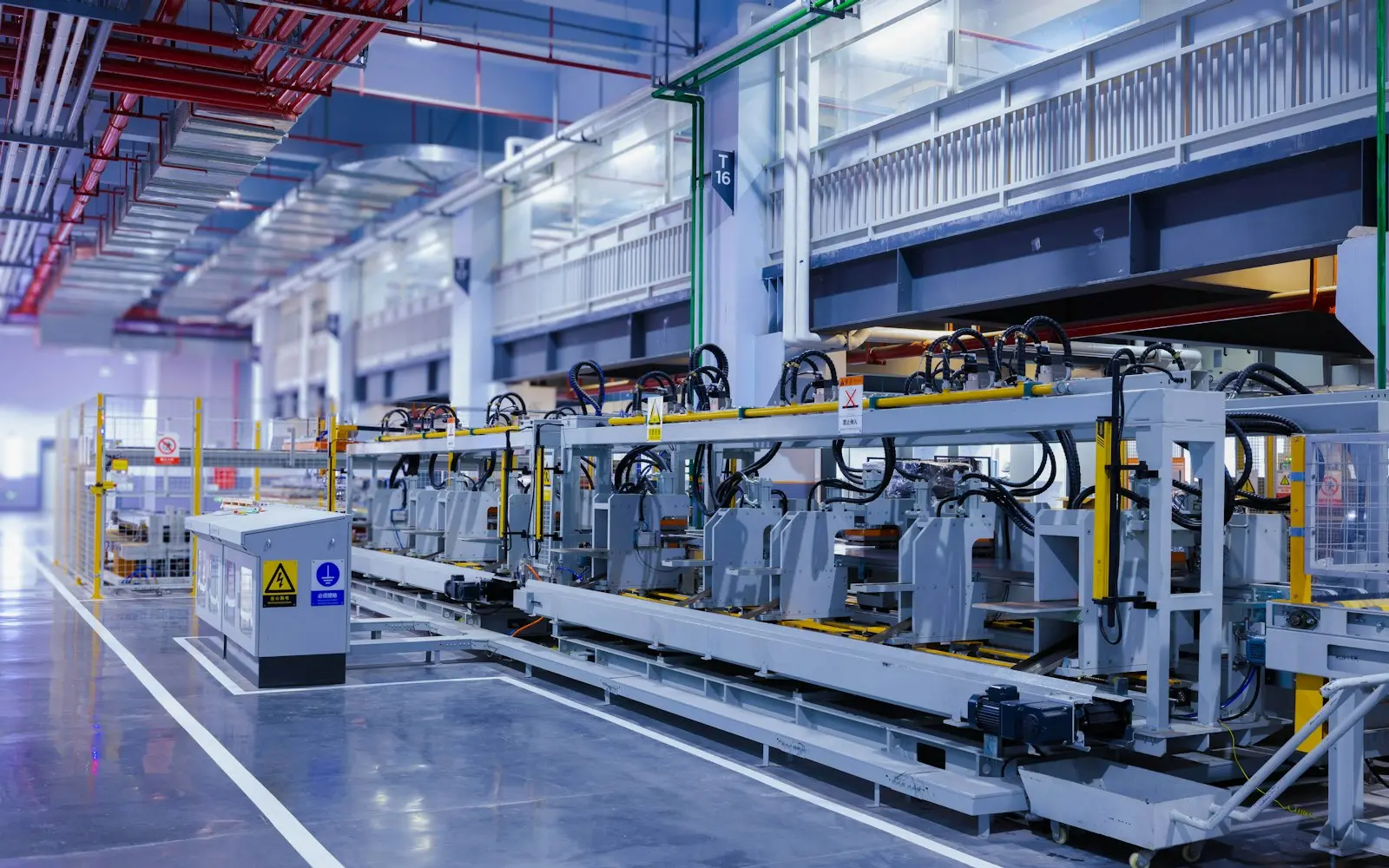
- ManufacturingShop floor, ERP and traceability software that connects PLC data to the systems your planners and OEM customers actually use.
- Logistics & Supply ChainFreight, warehouse and fleet software that speaks EDI 204/214/210 to your trading partners and stays accurate in the field.

- Professional ServicesEngagement management, time tracking, and client portals built around the way consulting and advisory firms actually bill for their time.

- InsurancePolicy administration, claims and underwriting software that speaks ACORD to carriers, MGAs and agents on the first integration attempt.

FAQ
Frequently asked questions
Do you work from a Lastenheft, or do we need to write one ourselves?
Either. If you have a Lastenheft describing your requirements, we use it to shape discovery and respond with a Pflichtenheft detailing our technical approach. If you don't have one, we can develop both documents with you as part of getting the project properly scoped.
Do you sign an Auftragsverarbeitungsvertrag before starting development?
Yes, whenever the project involves processing personal data on your behalf. We prepare AVV terms, including hosting region and sub-processor disclosure, before any environment holds real data, in line with GDPR Article 28.
Can our custom software be hosted entirely in a German or EU data center?
Yes. We choose cloud regions, often specifically Frankfurt, at the architecture stage based on your data-residency requirements, rather than defaulting to a different region and migrating afterward.
Can a custom system export financial data in a DATEV-compatible format?
Yes. We scope DATEV-compatible export formats for invoicing, procurement or financial-reporting modules alongside the core build so your accounting team can ingest the data without a manual conversion step.
How long does producing a Pflichtenheft add to the project timeline?
Producing a thorough Pflichtenheft in response to your Lastenheft typically runs alongside discovery rather than adding a separate phase, since the same conversations that inform the technical response also inform the estimate and plan.
Does our works council need to approve a system that logs employee activity?
Often, yes. The Betriebsverfassungsgesetz gives a Betriebsrat co-determination rights over introducing systems capable of monitoring employee performance or conduct, which can include ordinary access logs or activity dashboards. We flag which features could trigger that consultation during discovery so you can involve the works council before the feature is built.
Does BFSG apply to a customer portal built as part of our internal system?
If the portal serves a covered sector like banking, yes, from June 2025, even if the rest of the internal system doesn't need to meet the same accessibility standard. We scope which parts of a build are BFSG-covered during discovery rather than applying the requirement uniformly across the whole system.
Explore
Related pages
- ServiceCustom Software Development
- MarketSoftware development in Germany
- GermanyAI Development Company in Germany
- GermanyE-commerce Development Company in Germany
- GermanyMobile App Development Company in Germany
- Custom Software DevelopmentCustom Software Development Company in Australia

- Custom Software DevelopmentCustom Software Development Company in Canada

- Custom Software DevelopmentCustom Software Development for Saudi Businesses

Insights
Planning guides
- 6 min readHow Much Does Custom CRM Development Cost?Custom CRM development cost typically ranges from $40,000 for a focused pipeline tool to $250,000+ for a multi-team platform with automation and reporting.

- 7 min readCustom Development vs No-Code ToolsCustom development vs no-code tools compared on speed, cost at scale, and where each one actually holds up as your workflow gets more complex.

- 8 min readHow Much Does Custom Software Development Cost?Custom software development cost ranges from $15,000 for a simple internal tool to $500,000 or more for enterprise platforms. Here is what drives the number.

Get an estimate for custom software development in Germany
Share a few details about your project. A senior engineer reviews every request and replies with next steps, questions, and a rough budget range.