Solution
Fleet Management Software Development
Vehicle tracking, maintenance scheduling, and ELD compliance built around the telematics data your fleet already generates.
NDA on request · Free, no-obligation estimate · Reply within one business day
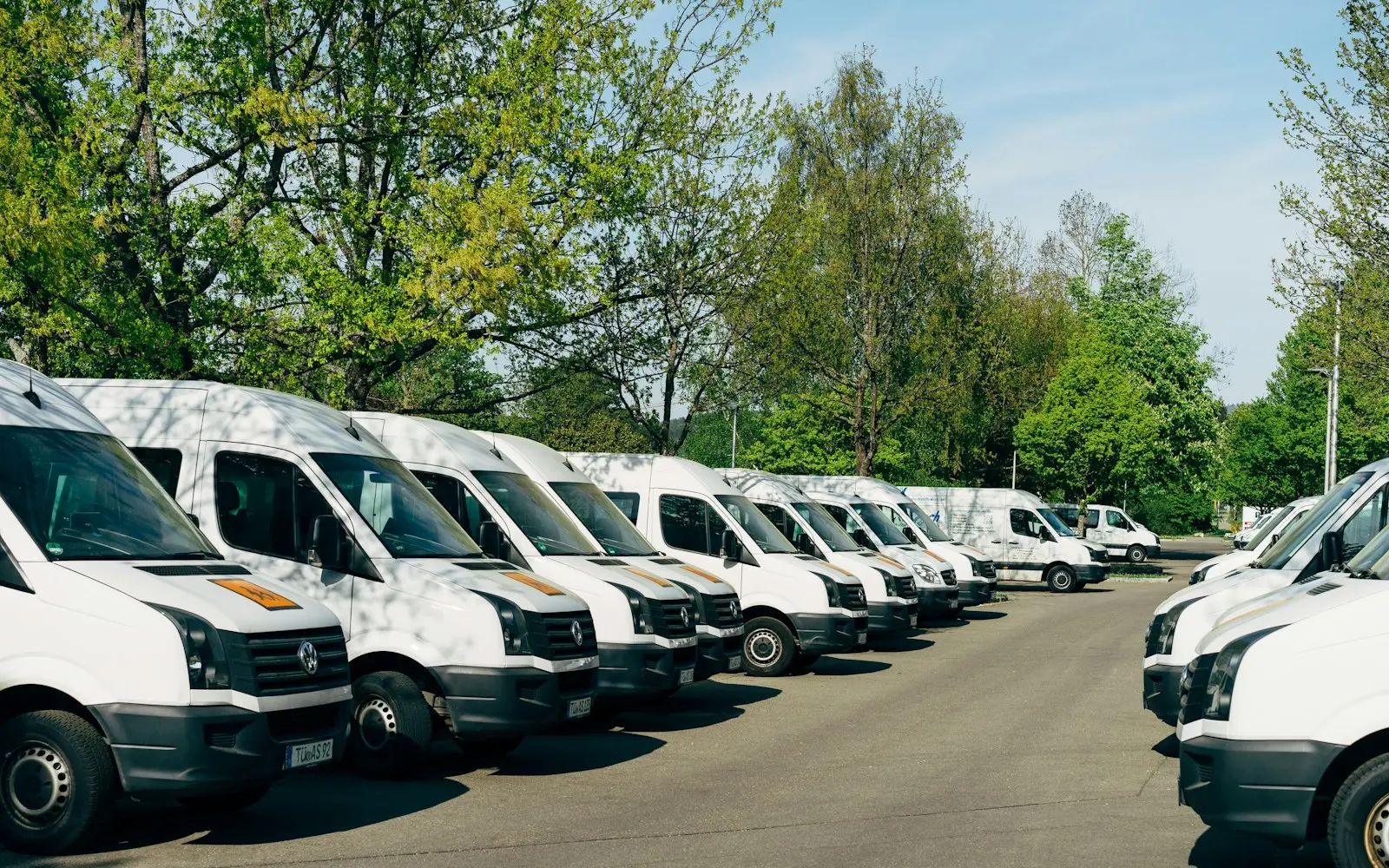
A fleet of any real size generates a stream of location, engine, and driver behavior data through telematics hardware from Samsara or Geotab, and most of the value in fleet management software comes from what happens to that data after it leaves the vehicle: whether it drives a maintenance schedule instead of sitting in a dashboard nobody checks, whether it feeds hours-of-service compliance instead of a separate spreadsheet, and whether dispatch can actually see it in time to reroute a driver around a problem.
We build the software layer that sits on top of a fleet's existing telematics hardware, pulling data from the Samsara or Geotab API into a system built around how the fleet actually operates: which vehicles need preventive maintenance based on real mileage and engine hours, which drivers are due for a break under US hours-of-service rules, and which fuel card transactions don't match up with where a vehicle actually was.
Scope
Core features
Real-time vehicle tracking
Location, speed, and idle time pulled from Samsara or Geotab telematics hardware, feeding a live map dispatchers use to make routing decisions rather than calling drivers for a status update.
ELD and hours-of-service compliance
Driver logs, required breaks, and roadside inspection reports for US operations, built to FMCSA electronic logging device rules rather than a paper log book.
Preventive maintenance scheduling
Maintenance triggers based on actual mileage and engine hours pulled from telematics data, rather than a fixed calendar schedule that services a vehicle too early or catches a problem too late.
Fuel card reconciliation
Fuel purchases get matched against a vehicle's telematics location and mileage at the time of the transaction, flagging a fill-up that doesn't match where the vehicle actually was.
Route optimization
Multi-stop routes get sequenced to minimize drive time, with dynamic rerouting when traffic or a delay changes the fastest path partway through the day.
Driver safety scorecards
Harsh braking, speeding, and idling events from telematics data roll up into a per-driver safety score, giving fleet managers a way to coach specific behavior instead of reacting only after an incident.
Dispatch tied to real-time location
Jobs get assigned to the nearest available vehicle based on live location rather than a driver's last known check-in, which matters most on urgent or same-day requests.
Vehicle utilization and cost-per-mile reporting
Fuel, maintenance, and downtime costs roll up per vehicle, giving fleet managers a real cost-per-mile figure instead of an estimate based on fuel spend alone.
Incident and accident reporting
Drivers file an incident report with photos and location data directly from the field, routing to the right person immediately rather than surfacing days later through a phone call.
Architecture
Decisions that shape the build
Choosing between Samsara and Geotab as the telematics provider
Samsara and Geotab expose overlapping but not identical data through their APIs, different rate limits, different levels of granularity on engine diagnostics, and the choice affects what the software layer built on top of them can actually do.
ELD compliance specifics for US operations
FMCSA rules for electronic logging devices cover malfunction reporting and data transfer requirements for roadside inspections specifically, not just log accuracy, and both need to be built in rather than assumed to follow from tracking driver hours alone.
Handling the volume of data telematics hardware generates
A single vehicle reporting location every few seconds produces a meaningful volume of data across a fleet of any size, which shapes how the system stores and queries that data without every dashboard load becoming slow.
Access control across depots and management layers
A dispatcher at one depot typically needs visibility only into their own vehicles, while a regional manager needs a rolled-up view across several depots, and the access model needs to reflect that hierarchy from the start.
Fuel card integration specifics
Reconciling fuel purchases against vehicle location depends on how a specific fuel card provider, such as WEX or Comdata, exposes transaction data, and the level of detail available varies enough between providers to affect what fraud patterns the system can actually catch.
Build vs buy
When to build and when to buy
Samsara and Geotab both bundle a fleet management dashboard with their telematics hardware, and Motive covers ELD compliance well for trucking-focused operations, all of which are usually the right call for a fleet running standard truck or van operations without a need to reach outside systems. We recommend one of them when the fleet's workflow fits what these platforms were built for.
Custom development is worth it when fleet data needs to integrate deeply with a proprietary dispatch, billing, or ERP system those platforms cannot reach, or when a company is building fleet management software as its own product for other operators to use rather than just running its own vehicles.
Delivery
How delivery is phased
Map fleet operations and telematics data sources
We document which vehicles, telematics provider, and existing systems, dispatch, billing, fuel cards, are already in place, since that shapes how much of the integration work is new versus connecting to what already exists.
Build the telematics integration and vehicle data model
Data from the Samsara or Geotab API gets normalized into a vehicle and driver data model, tested against real device feeds rather than sample data before any reporting is built on top of it.
Build maintenance, compliance, and dispatch tools
Preventive maintenance scheduling, ELD and hours-of-service tracking, and dispatch tools get layered on next. This typically takes several weeks depending on how many existing systems need to connect.
Pilot with a subset of vehicles and launch
A portion of the fleet runs on the new system before a full rollout, since data quality issues from telematics hardware show up faster against a smaller, closely watched group of vehicles.
Technology
Typical stack
FAQ
Fleet Management Software FAQs
Can fleet management software integrate with Samsara or Geotab telematics hardware?
Yes. We pull vehicle location, engine diagnostics, and driver behavior data from either provider's API and build the maintenance, dispatch, and compliance layer on top of it, so the fleet keeps its existing hardware while gaining software built around how it actually operates.
Do you build ELD compliance for US trucking fleets?
Yes. Electronic logging device compliance covers driver hours-of-service logs, required breaks, and the data transfer format needed for a roadside inspection, built to FMCSA rules rather than a general driver log.
How does fuel card reconciliation work in fleet management software?
Fuel purchase records from a card provider like WEX or Comdata get matched against the vehicle's telematics location and mileage at the time of the transaction, flagging any fill-up that doesn't line up with where the vehicle actually was.
Can the software schedule preventive maintenance automatically?
Yes. Maintenance triggers off actual mileage and engine hours pulled from telematics data rather than a fixed calendar, so a vehicle gets serviced based on real usage instead of an estimate that runs early or late.
Should we buy Samsara's fleet dashboard or build a custom system?
Samsara's own dashboard covers standard fleet operations well and is usually the faster option for a fleet running typical truck or van workflows. Custom development makes sense when fleet data needs to integrate with a proprietary dispatch or billing system Samsara's dashboard cannot reach.
Services
Services involved
- Custom Software DevelopmentWe build software around the processes your business already runs on, so operations stop depending on spreadsheets, workarounds and tools that were never built for your workflow.

- Backend DevelopmentWe build the server-side systems underneath your product: data models, business logic, queues and the infrastructure that keeps them fast under load.

- API DevelopmentWe design, build, document and version REST and GraphQL APIs that partners can integrate against without calling your engineers first.

- Mobile App DevelopmentWe build native and cross-platform mobile apps, handle App Store and Play Store submission, and design for the offline gaps and device permissions a phone actually has to deal with.

Industries
Industries that commission this
- Logistics & Supply ChainFreight, warehouse and fleet software that speaks EDI 204/214/210 to your trading partners and stays accurate in the field.

- ConstructionRFI, submittal and change order tracking, plus field apps that keep working when the jobsite has no signal.

- Energy & UtilitiesTelemetry, meter data and outage management software that connects SCADA protocols to a data layer your teams can actually query.
- AutomotiveDealer CRM, inventory and service scheduling software wired into your DMS, not running beside it as a second system.

Insights
Planning guides
- 6 min readHow Much Does Custom CRM Development Cost?Custom CRM development cost typically ranges from $40,000 for a focused pipeline tool to $250,000+ for a multi-team platform with automation and reporting.

- 7 min readCustom Development vs No-Code ToolsCustom development vs no-code tools compared on speed, cost at scale, and where each one actually holds up as your workflow gets more complex.

- 8 min readHow Much Does Custom Software Development Cost?Custom software development cost ranges from $15,000 for a simple internal tool to $500,000 or more for enterprise platforms. Here is what drives the number.

Discuss your fleet management software project
Share a few details about your project. A senior engineer reviews every request and replies with next steps, questions, and a rough budget range.