Mobile App Development · Food & Beverage
Restaurant App Development
Ordering, loyalty, and kitchen-integrated apps for restaurants and food and beverage brands.
NDA on request · Free, no-obligation estimate · Reply within one business day
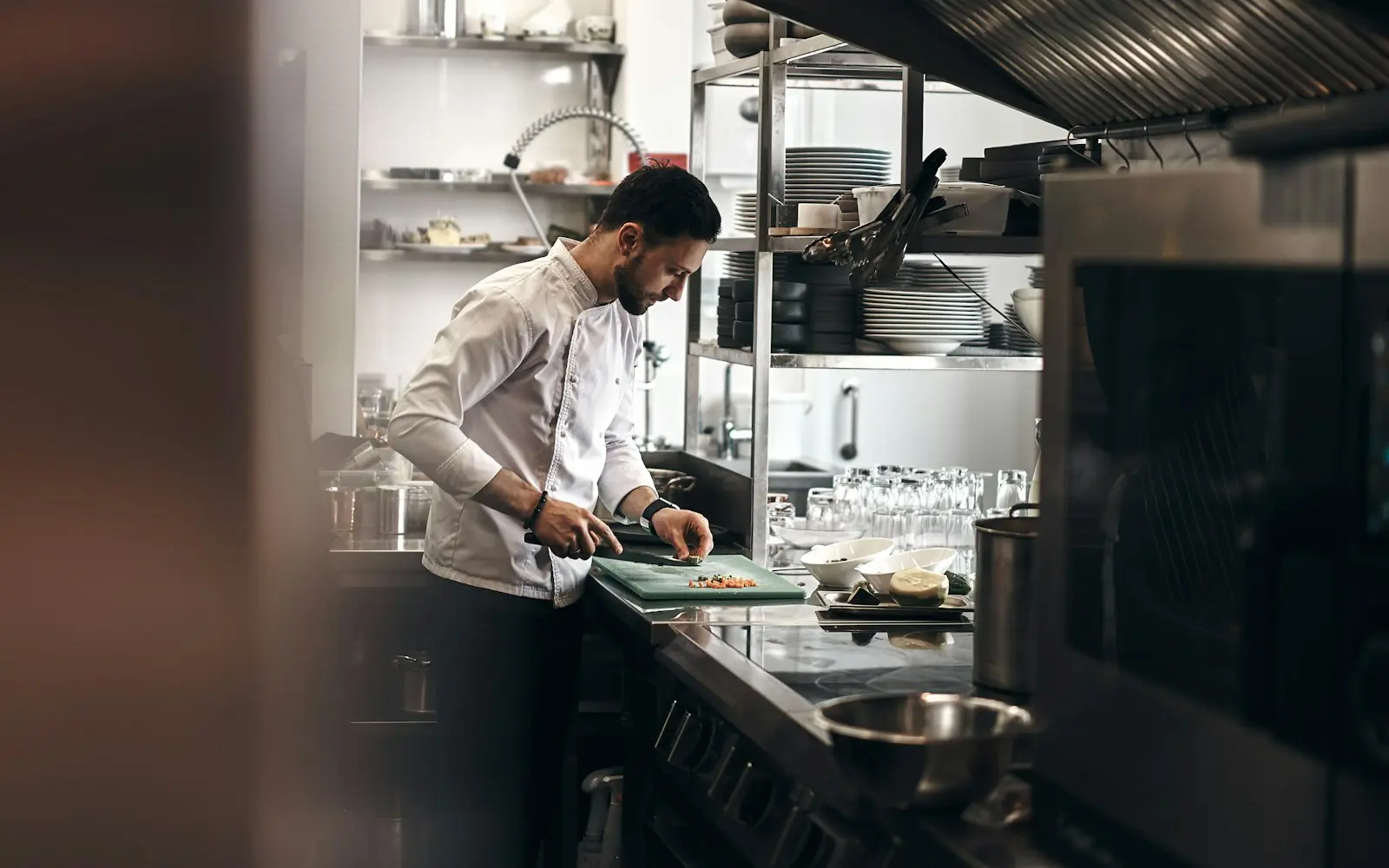

A restaurant app lives or dies on the lunch and dinner rush, the moment order volume spikes fastest is exactly when a slow screen or a failed payment costs the most goodwill. Building for food and beverage means designing around a kitchen that needs accurate, timely order data as much as the customer needs a fast checkout, and around a menu that has to stay identical across the app, the point-of-sale terminal, and however many delivery marketplaces the brand lists on.
Most of the technical difficulty sits in keeping those systems in agreement. A menu price change entered once in the POS has to reach the app and every delivery marketplace without someone re-typing it three times, and a kitchen display system needs order details the instant a customer taps confirm, not after a batch sync runs. Loyalty points earned in the app, at the register, and through a delivery partner all need to reconcile to one customer record, or a regular guest ends up with three fragmented point balances and a real reason to complain.
We build ordering apps that sync menu, price, and order status directly with the restaurant's point-of-sale and kitchen display systems, and that reconcile loyalty activity across in-app, in-store, and marketplace orders into a single account.
The problem
What makes food & beverage projects different
Menu and price drift across POS and delivery marketplaces
A restaurant listing on DoorDash, Uber Eats, and Grubhub in addition to its own app risks a price or availability mismatch the moment a menu changes anywhere but gets updated by hand everywhere else.
Order status needs to reach the kitchen and the customer at the same speed
A kitchen display system has to receive a new order the instant it's placed, and the customer's app needs an accurate accepted, preparing, and ready status pulled from that same kitchen workflow rather than a generic timer estimate.
Loyalty points fragment across order channels
A guest who orders through the app, in person at the register, and occasionally through a delivery marketplace expects one loyalty balance, which means point accrual has to reconcile across all three channels against a single customer identity.
Peak-hour load spikes strain checkout and payment idempotency
Lunch and dinner rush traffic multiplies order volume in a short window, and a checkout flow that isn't built with idempotent order submission risks a double charge when a slow network response tempts a customer to tap submit twice.
Allergen and nutrition labeling accuracy across locations
A multi-location chain often has small recipe variations between locations, and allergen information displayed in the app needs to reflect the specific location a customer is ordering from, not a single corporate-wide menu file.
Scope
Features we commonly build
POS-synced ordering
Menu, pricing, and modifiers pulled directly from the restaurant's point-of-sale system (Toast, Square, or Clover), so the app never drifts from what the register shows.
Kitchen display system integration
Orders routed to the kitchen display the instant they're placed, with accepted, preparing, and ready status pushed back to the customer's app in real time.
Loyalty and rewards reconciliation
Points earned across app, in-store, and delivery marketplace orders reconciled to a single customer account, with redemption available in any channel.
Delivery marketplace menu sync
Menu and pricing updates pushed automatically to DoorDash, Uber Eats, and Grubhub listings, removing manual re-entry across platforms.
Table reservation and waitlist
Waitlist entries with SMS notify-when-ready alerts, reducing the front-of-house staff time spent managing a paper or whiteboard list.
In-app payments with saved methods and tipping
Saved payment methods and configurable tip prompts at checkout, with idempotent order submission to prevent double charges during peak load.
Allergen and nutrition labeling per location
Ingredient and allergen data scoped to the specific location a customer is ordering from, accounting for recipe variations across a chain.
Multi-location menu and pricing management
Centralized menu management with location-level overrides for pricing and availability, so a chain doesn't need a separate app build per location.
Compliance and standards
- PCI DSS
- FDA menu labeling requirements
- WCAG 2.2
- state and local food-safety labeling requirements
Common integrations
- Toast
- Square
- Clover
- DoorDash Drive
- Uber Eats API
- Grubhub
Approach
How we run these projects
We start with the point-of-sale integration, since menu, pricing, and order status all originate there, and every other sync (kitchen display, delivery marketplaces, loyalty) depends on that connection being accurate before it depends on anything else. This groundwork determines the entire data model before we design a single ordering screen.
Checkout and order submission get load-tested against a simulated lunch-rush spike before launch, since idempotent submission and kitchen display responsiveness under real volume matter more than they show up in a quiet demo environment. Loyalty reconciliation across channels is validated against a sample of the restaurant's actual historical transaction data before going live.
Typical stack
Related solutions
Systems in this space
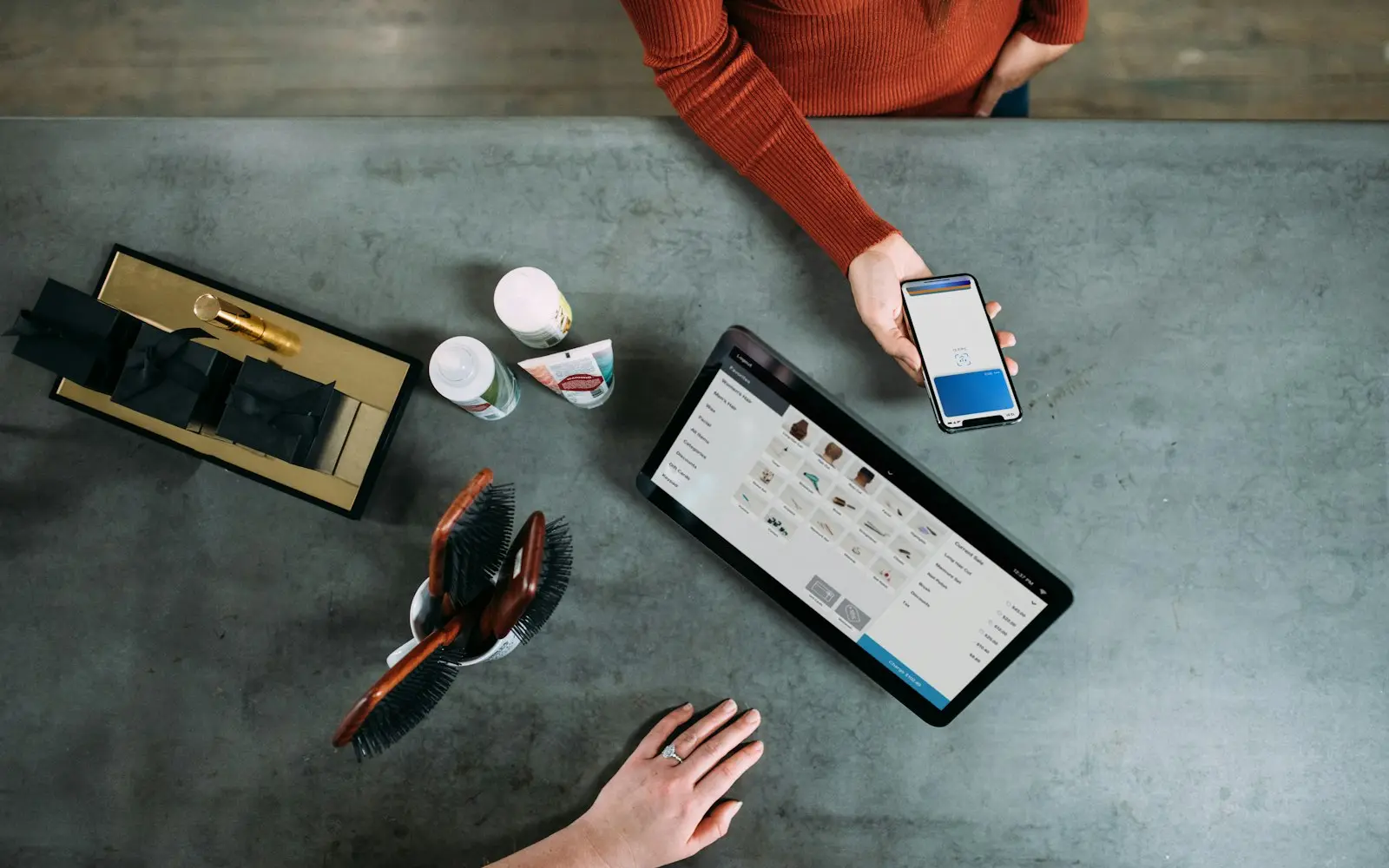
- POS System DevelopmentOffline-first checkout, card processing, and inventory sync built for retailers and restaurants outgrowing an off-the-shelf terminal.
- Booking & Scheduling SystemsScheduling software built around your staff, resources, and rules, from buffer times and deposits to calendar sync and no-show handling.

- Customer Portal DevelopmentA place your customers log into to see their own orders, invoices, and support cases, connected to the systems that already hold that data.

FAQ
Frequently asked questions
How long does it take to build a restaurant ordering app with POS integration?
An ordering app synced to one POS system with basic loyalty tracking typically takes three to five months. Adding kitchen display integration, multi-location support, or sync with multiple delivery marketplaces extends that by six to ten weeks depending on how many systems need to stay in agreement.
Can the app sync menu updates automatically with DoorDash and Uber Eats?
Yes, we build a menu management layer that pushes price and availability changes from the POS out to connected delivery marketplaces, so a single update in the restaurant's system reaches every channel instead of requiring manual re-entry on each platform.
Does the app handle allergen labeling for a multi-location chain with recipe variations?
We scope allergen and nutrition data to the specific location a customer selects, since recipes and suppliers can differ enough between locations that a single corporate-wide menu file would misstate what a guest is actually ordering.
How do you prevent double charges during a lunch or dinner rush?
Order submission is built to be idempotent, meaning a duplicate tap or a slow network retry cannot create two separate charges for the same order. This matters most during peak volume, when customers are most likely to tap submit again after a delayed response.
Can loyalty points earned in-store and through delivery apps combine into one account?
Yes, we reconcile point accrual across the app, in-store POS transactions, and supported delivery marketplace orders against a single customer identity, so a regular guest sees one balance rather than three fragmented ones.
Do you integrate with Toast or Square point-of-sale systems?
Yes, Toast, Square, and Clover are common integration points for menu, pricing, and order status sync. The specific API scope depends on which POS the restaurant runs and which data it exposes, which we confirm during discovery.



Insights
Planning guides
- 7 min readFlutter or React Native for Your Next AppFlutter vs React Native compared on performance, native API access, team skills, and cost, so you can pick the right cross-platform framework.
- 7 min readHow Much Does Mobile App Development Cost?Mobile app development cost typically runs from $25,000 for a simple utility app to $300,000+ for a two-platform app with offline sync and payments.
Get an estimate for restaurant app development
Share a few details about your project. A senior engineer reviews every request and replies with next steps, questions, and a rough budget range.